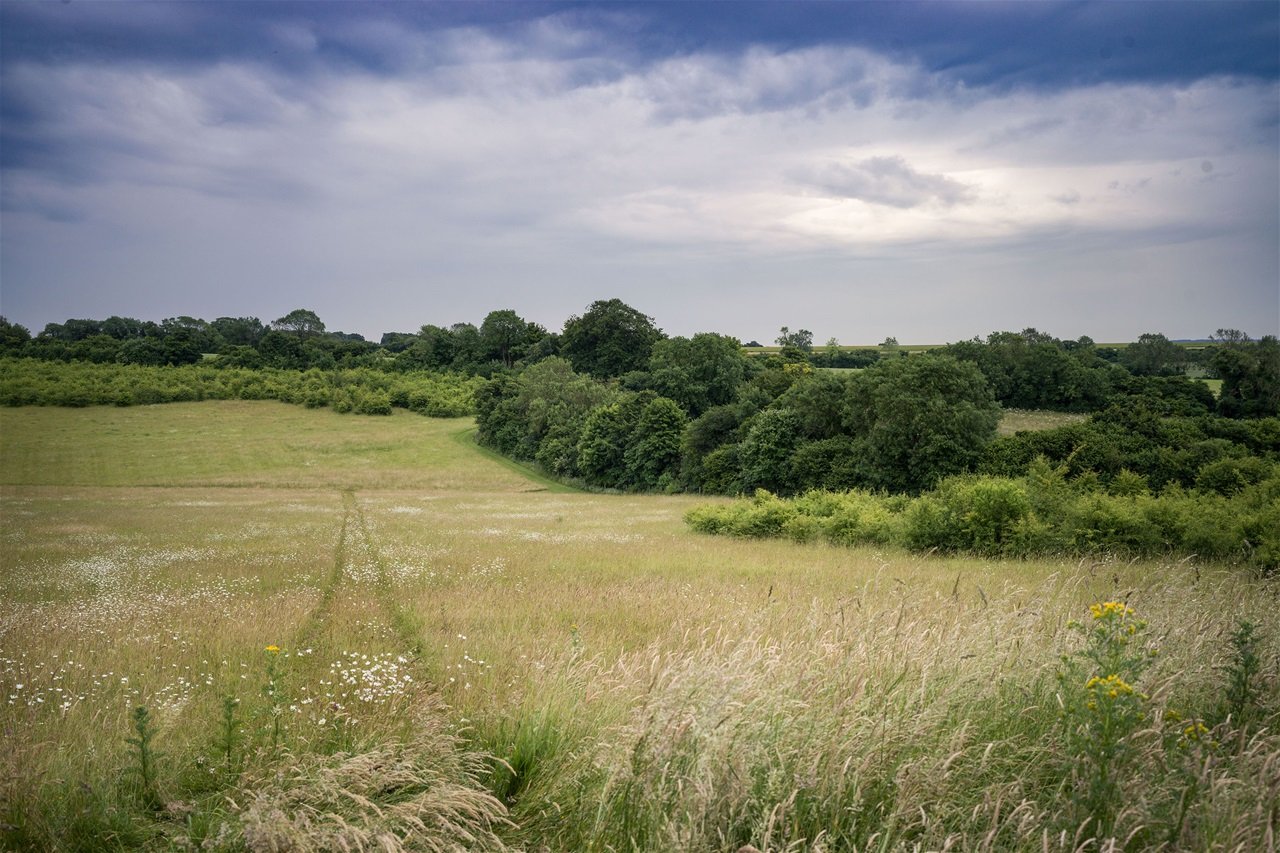
Grassland habitat in June
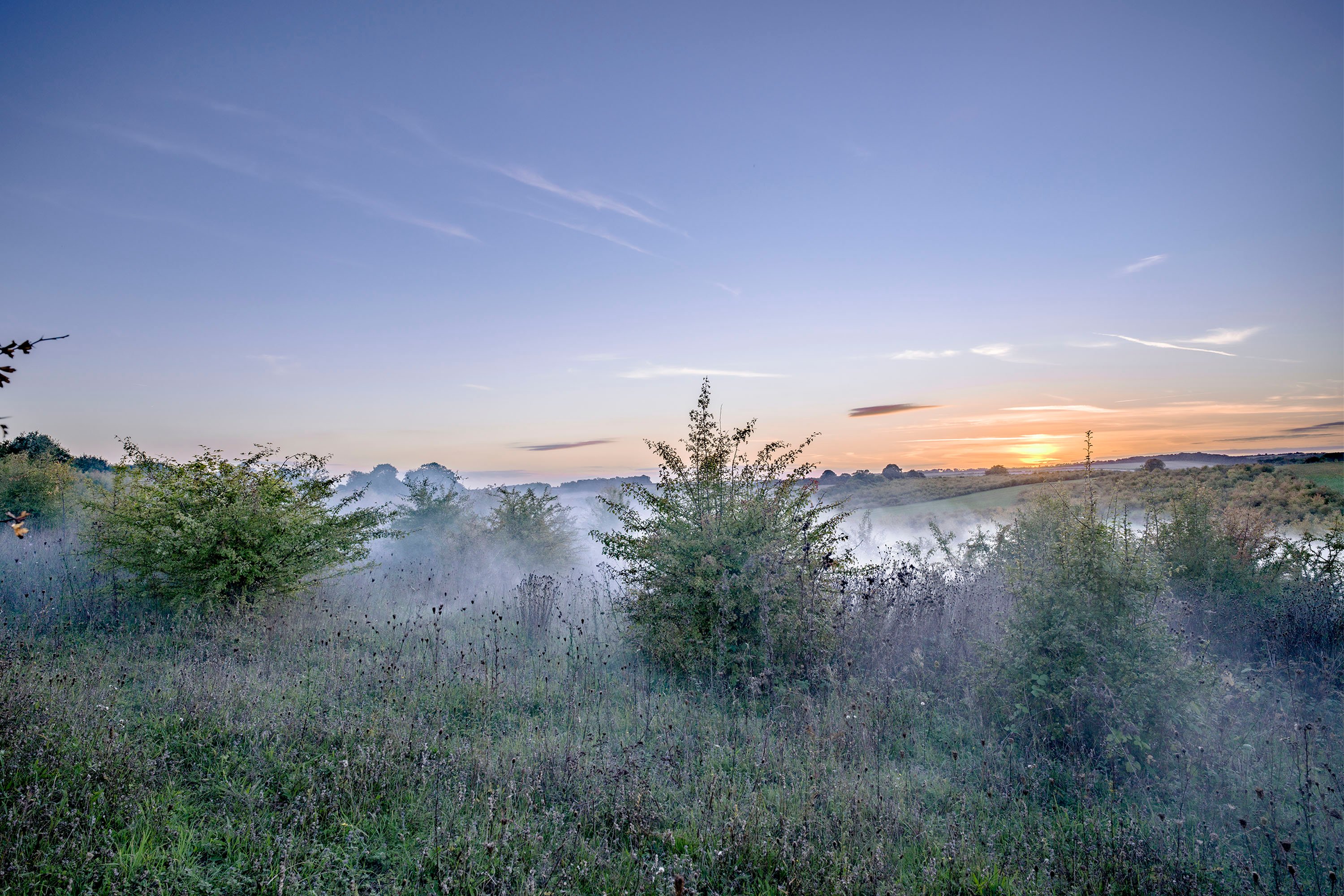
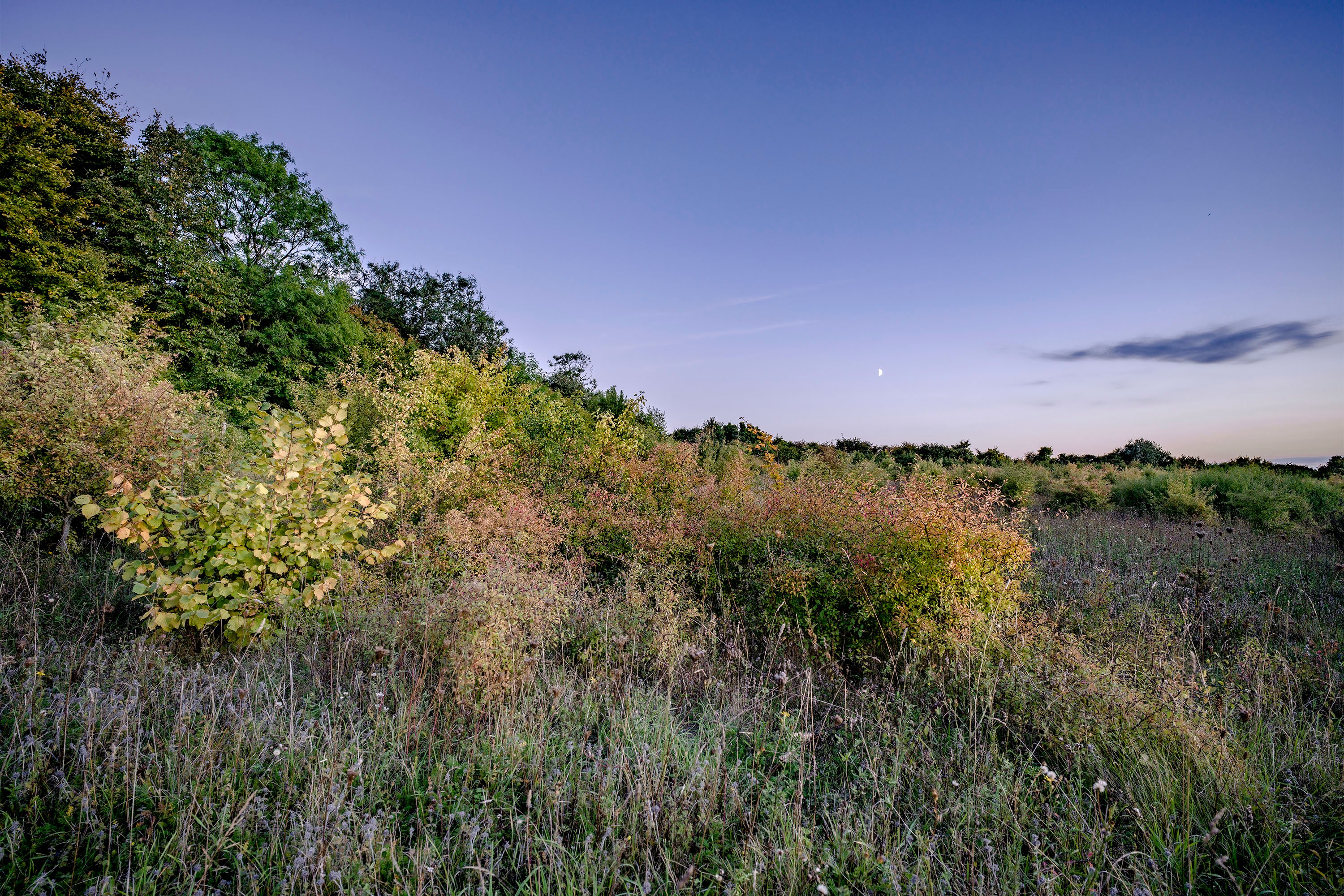
Our species rich grass pastures have evolved naturally over the past three decades and now contain one of the most diverse ranges of chalk downland wildflowers and grasses providing habitat for insects, mammals, reptiles and birds. ©Charles Sainsbury-Plaice
Meadow Lake
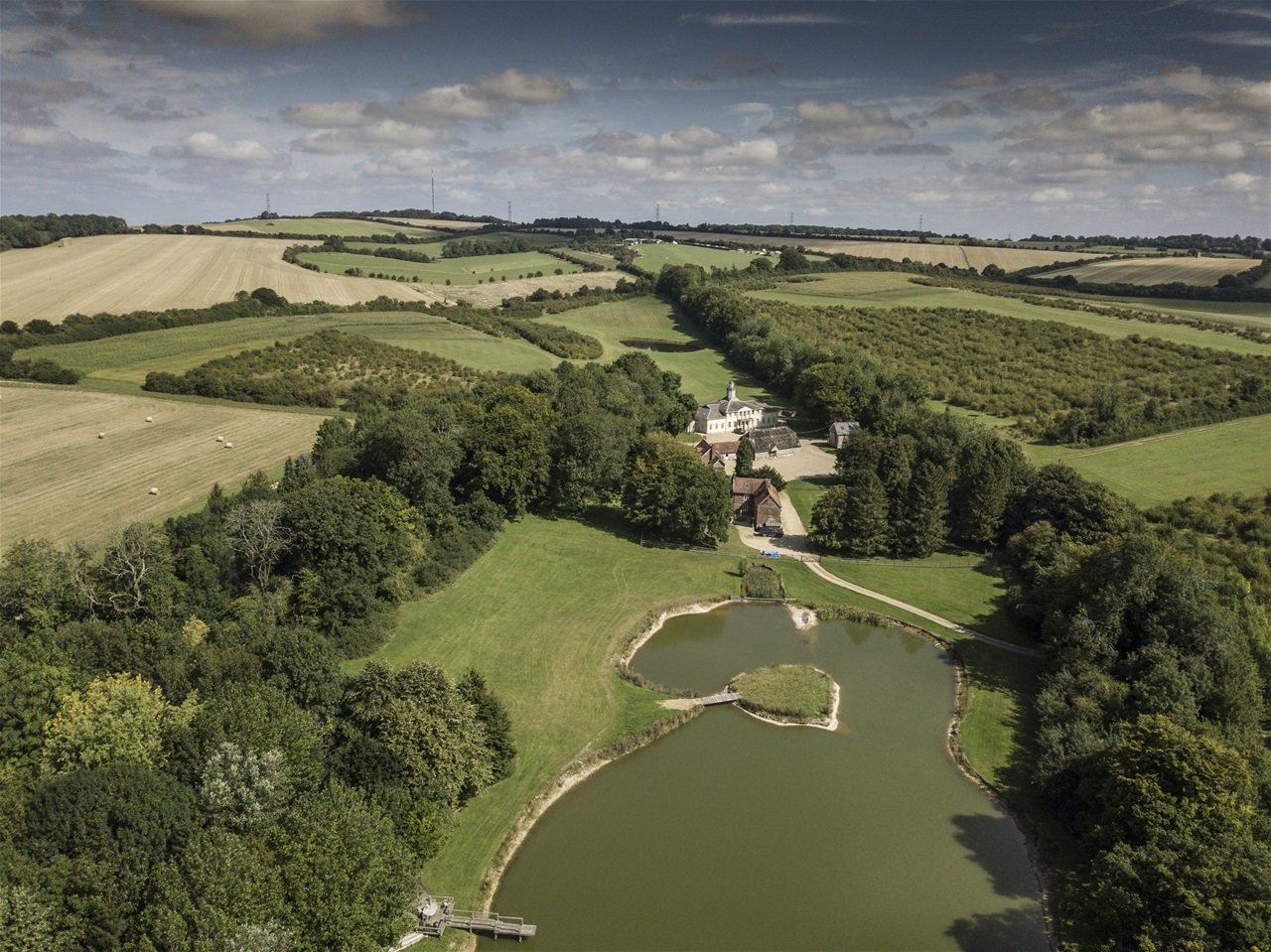
Meadow lake was the first of three large lakes constructed in the last 30 years. These have provided invaluable habitats for all number of species including an Osprey who visits every year in the Spring
Spotted flycatchers
Spotted flycatchers perching on dead wood at Tidgrove ©Shane King
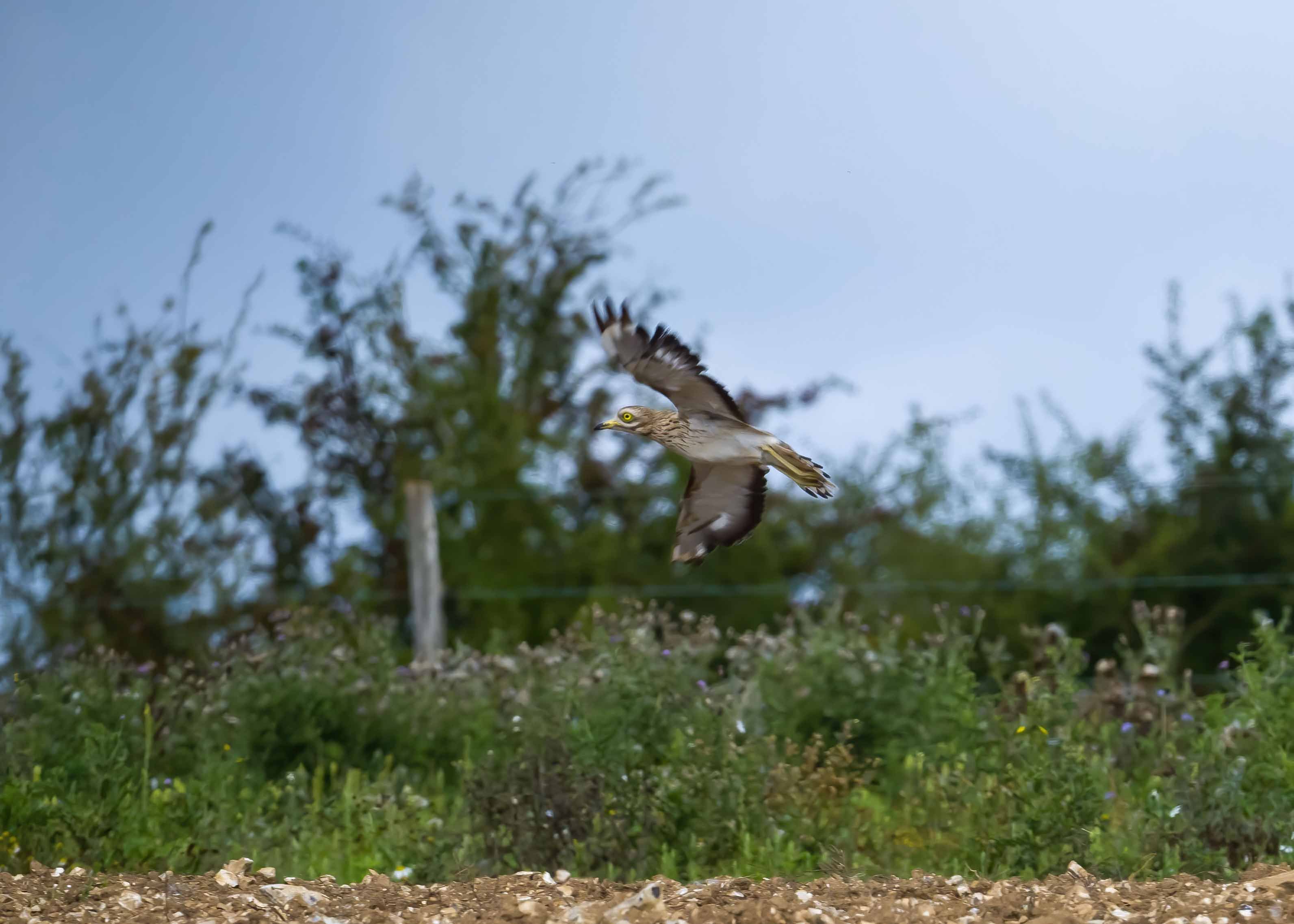
Stone Curlew
Stone Curlew lifting off fallow plot © Deb Heath
Spotted flycatcher
Spotted flycatcher perching on dead wood at Tidgrove ©Shane King
Spotted Flycatcher
Spotted flycatchers nesting at Tidgrove ©Shane King
StoneCurlewsHatching
Stone Curlew Chicks successfully hatching at Tidgrove Estate © Shane King
Skylark Juvenile
Skylark Juvenile © Shane King

Regenerative Farming, Ecological Restoration and Biodiversity in North Hampshire


"A Living Landscape for Learning"


Welcome to Tidgrove Estate, a historic country estate in North Hampshirewhere regenerative farming, ecological restoration and conservation come together to create a thriving landscape for wildlife, education and sustainable land management.


Once home to a medieval royal palace visited by Norman kings, Tidgrove is now undergoing an ambitious long term restoration. Former intensively farmed arable land is being transformed into species rich chalk grassland, native woodland and interconnected habitats that support biodiversity while demonstrating how productive farming and nature recovery can work together.


Over the past three decades, more than 70 acres of chalk downlandhave been restored, allowing native wildflowers, grasses and naturally regenerating blackthorn, hawthorn and hazel scrub to flourish. Ancient hedgerows, veteran beech trees and historic yews provide important wildlife corridors while preserving the estate's rich natural and cultural heritage.


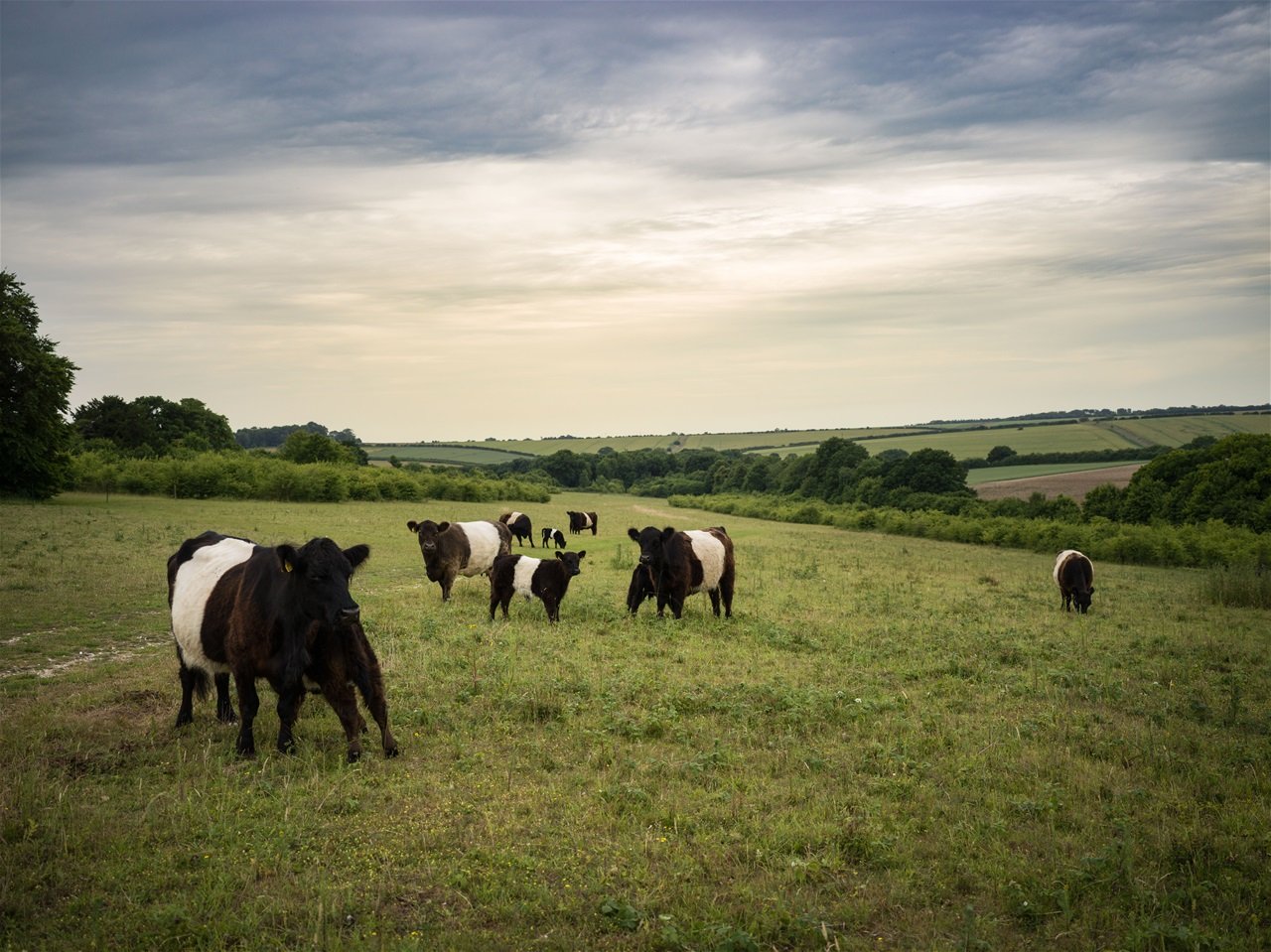
Three lakes enhance the landscape and provide valuable wetland habitat for birds, insects and aquatic wildlife. Our herd of Belted Galloway cattleplays an important role in conservation grazing, helping maintain the diverse structure of our meadows and chalk grassland through carefully managed rotational grazing.


As part of the Queen's Green Canopy, Tidgrove is also home to a 70 acre woodland, reflecting our long term commitment to climate resilience, woodland creation and landscape recovery.

Today, Tidgrove is becoming a centre for learning and demonstration, welcoming students, landowners, conservation professionals and anyone interested in regenerative agriculture, biodiversity, soil health and sustainable land management.


Whether you are exploring regenerative farming, studying ecological restoration or simply seeking inspiration from nature, Tidgrove offers a living landscape where people, wildlife and the land can flourish together.